Imagine a scenario where a seventh-grader is sitting at the kitchen table, stumped by an algebra problem. The frustration mounts. Parents try to help, dredging up long-forgotten formulas, but their methods don't match the teacher's. It's a common situation that happens in homes every night. Now, imagine if that student had a personal, patient, and endlessly knowledgeable tutor available 24/7, right on their school-issued laptop.
This isn't science fiction. In a quiet suburban school district outside Columbus, Ohio, it's the reality of a remarkable new pilot program. The Liberty Local School District is testing a future where every middle school student has an AI-powered tutor, a bold experiment that could reshape public education, or ignite a firestorm of debate.
The Homework Gap in a Digital Age
For years, educators have grappled with the "homework gap", not just access to technology, but access to support. Students whose families can afford private tutors have a distinct advantage. This disparity can widen achievement gaps over time, leaving many bright students behind simply because they lacked help when they were stuck. Liberty Schools, like many districts, saw this challenge firsthand and decided to look for a radical solution.
The answer came in the form of a sophisticated AI learning platform. The school board approved a pilot program to provide the software to all 600 of its middle school students, integrating it directly into their math and science curricula. The goal: to see if artificial intelligence can deliver the one-on-one support that has long been the exclusive domain of those who can afford it.
How Does an AI Tutor Actually Work?
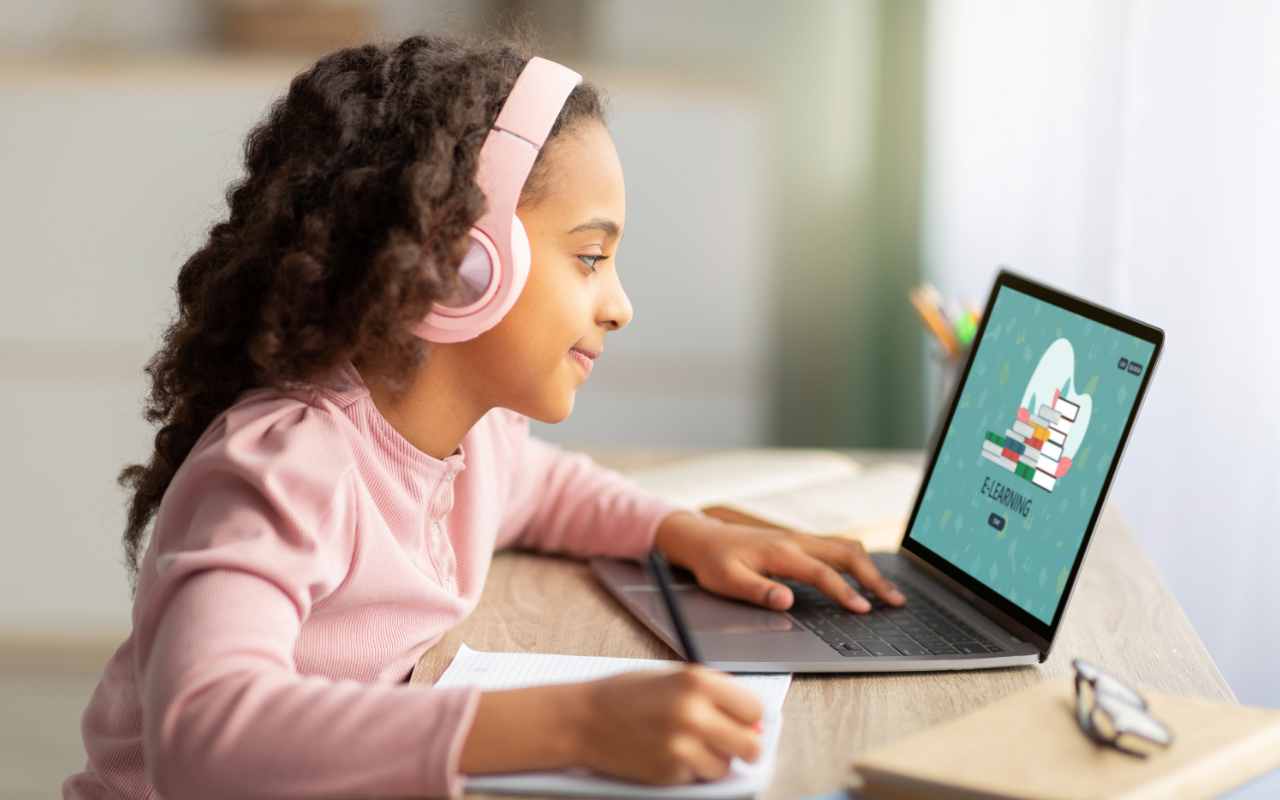
Unlike a simple video lesson or a multiple-choice quiz, this AI tutor is dynamic. When a student encounters a problem, the AI doesn't just give them the answer. Instead, it engages in a dialogue, asking Socratic questions to guide the student toward their own discovery. If a student makes a mistake, the AI analyzes the error to understand the root of the misunderstanding. Is it a calculation error, or a fundamental misconception about a concept?
Based on this analysis, the platform delivers personalized micro-lessons, short animations, or alternate practice problems targeting that specific weakness. It learns the student's pace, strengths, and struggles, creating a completely individualized learning path. For teachers, the platform provides a dashboard with astonishing insights, highlighting which students are struggling and with what exact concepts, allowing them to tailor their classroom instruction more effectively than ever before.
Excitement and Apprehension in the Hallways
The reaction to the new program has been a mix of excitement and cautious apprehension. Many teachers are optimistic. "It's like having a dedicated teaching assistant for every single student," says one eighth-grade science teacher. "It frees me up to focus on higher-level thinking and collaborative projects in the classroom, knowing the AI is reinforcing the fundamentals."
Parents, however, have questions. Concerns about data privacy are paramount: who owns the vast amount of learning data being collected on their children? Others worry about increasing screen time and the potential for technology to replace the vital human connection a teacher provides. "A computer can't show empathy," one parent noted at a recent PTA meeting. "It can't see the look on a child's face that says they're having a bad day and just need encouragement."
The Classroom of Tomorrow, Today?
The Liberty Schools experiment is a microcosm of a national conversation about the role of AI in our lives. The potential to democratize tutoring and personalize education on a massive scale is undeniably powerful. It could be a game-changer for educational equity.
Yet, the questions it raises are profound. How do we balance technological efficiency with the irreplaceable value of human mentorship? How do we ensure these tools are used to empower teachers, not replace them? As this quiet Ohio district collects its data and measures its results, school boards across the country will be watching. The future of the American classroom may very well be getting its first real-world test at a middle school just outside Columbus.