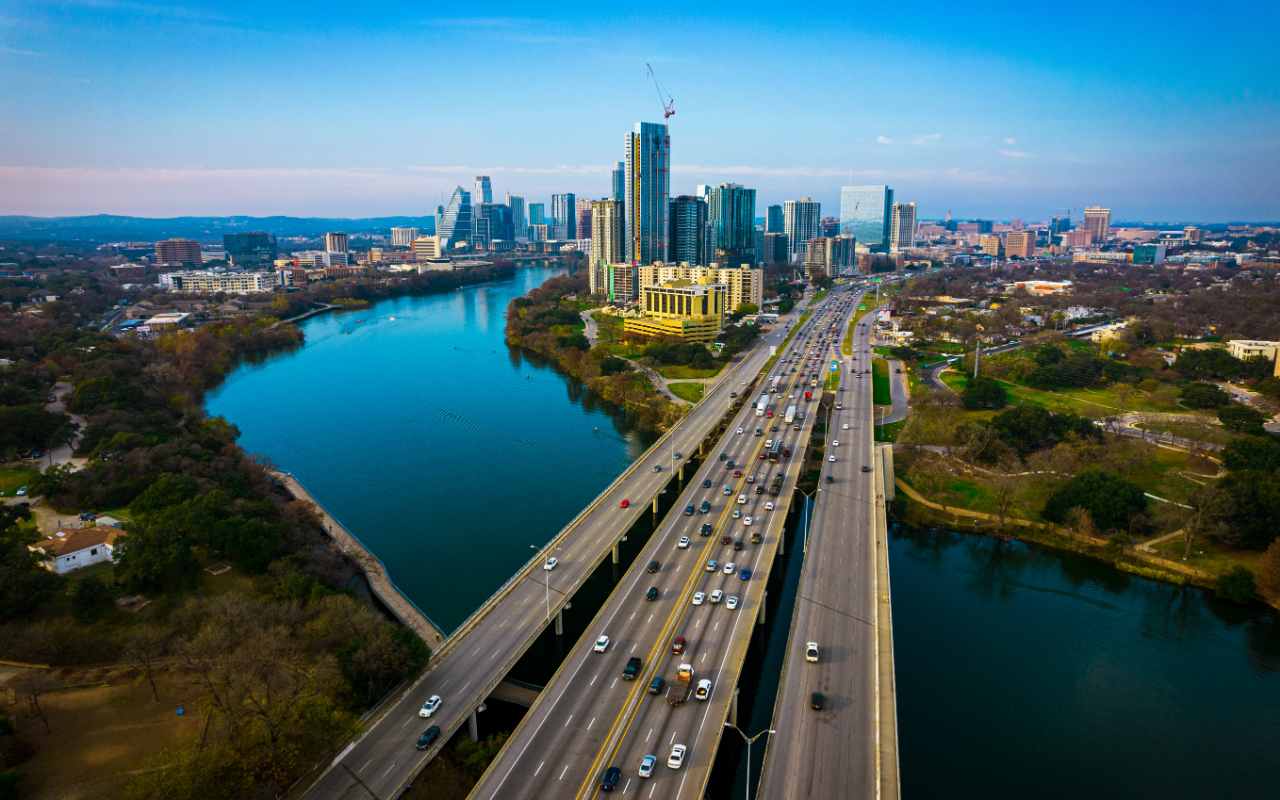
For decades, Interstate 35 in Austin, Texas, has been more than just a highway. It's been a noisy, churning river of steel that cleaves the city in two, creating a physical and psychological barrier, separating the vibrant downtown from the culturally rich East Austin. But what if you could build a bridge for people, and cover it with green grass, walking trails, and the laughter of a community reconnecting? This is the vision behind Austin's groundbreaking "I-35 Cap and Stitch" project, an effort to build a series of public parks on top of the lowered interstate.
A Scar on the Landscape
To understand the project's importance, you have to understand the history. When I-35 was constructed in the mid-20th century, it followed a path that reinforced historic segregation lines. The result was a formidable barrier that isolated communities, stifled economic opportunity, and created a noisy, polluted corridor right through the city's core. Daily commutes became a gridlocked nightmare, and crossing from one side to the other on foot or by bike felt like a dangerous expedition.
This division created two very different Austins. While downtown boomed with skyscrapers and tech offices, East Austin, rich with history and culture, often felt disconnected from that growth. The highway wasn't just a transportation route; it was a symbol of division.
From Division to Destination: The 'Cap and Stitch' Vision
The "Cap and Stitch" project is an elegant and ambitious solution. As part of a larger Texas Department of Transportation plan to overhaul and lower the main lanes of I-35 through downtown, the city saw a once-in-a-generation opportunity. By "capping" the lowered highway, they could create new land out of thin air—land that could be transformed into a sprawling public green space.
The "stitching" part of the name refers to the new and improved east-west crossings that will run across the highway, featuring wide, tree-lined boulevards for pedestrians, cyclists, and cars. These connections are designed to be safe, inviting, and feel like city streets rather than highway overpasses. The goal is to make the journey between East Austin and downtown so seamless that the memory of a dividing highway begins to fade.
More Than Just a Park: What the Project Delivers
While the image of a lush park over a highway is compelling, the benefits run much deeper. City planners and community advocates highlight a cascade of positive impacts:
- Community Reconnection: First and foremost, the project is about social equity. It physically and symbolically removes a barrier that has divided the city for over 60 years.
- Economic Opportunity: The new green space is expected to spur economic development on both sides of the highway. By creating a desirable destination, the project will attract new businesses, boost property values, and create a more vibrant urban core.
- Green Space and Public Health: In a rapidly growing city, public parkland is precious. The cap will provide acres of new parks for recreation, community events, and quiet relaxation, promoting both physical and mental well-being for residents.
- Improved Mobility: With enhanced bike lanes and pedestrian-friendly walkways, the project encourages alternative modes of transportation, aligning with Austin's goals for a more sustainable future.
Austin's Greener, More Connected Future
The I-35 Cap and Stitch project is more than an infrastructure upgrade; it's a statement about the kind of city Austin wants to be. It's a choice to prioritize people over cars, connection over division, and green space over concrete. While the construction will be a challenge, the payoff promises to be transformative.
Final Thoughts
Imagine a Saturday afternoon a decade from now: families picnicking on a great lawn, children playing on playgrounds, and cyclists cruising on dedicated paths, all while the traffic of a major interstate flows silently beneath their feet. It will be a place where the dividing line has vanished, replaced by a vibrant, living bridge that finally makes Austin whole again.